
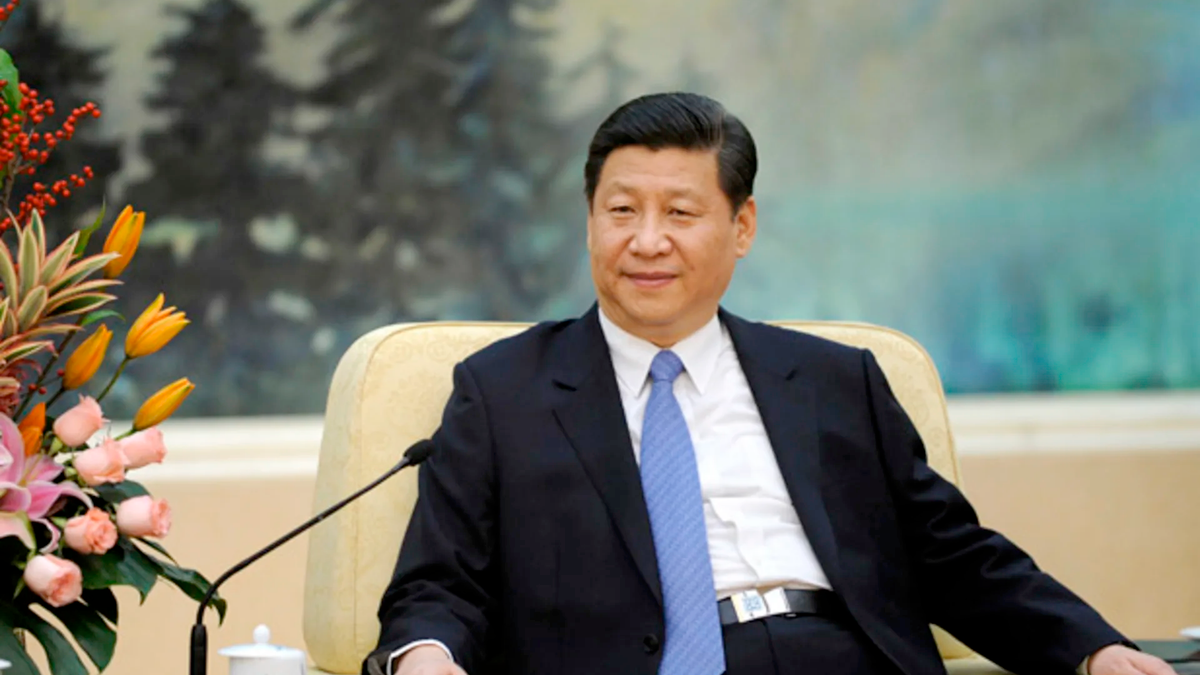
Xi Jinping’s back-to-back meetings with Donald Trump and Vladimir Putin were designed to send a clear message: China is no longer waiting to be included in global affairs. It wants to be seen as one of the main rooms where global power is negotiated.
The symbolism matters. Two major leaders, both dealing with costly wars and domestic pressure, travelled to Beijing within days of each other. For China, that image supports Xi’s long-running message of national rejuvenation: Beijing is not isolated, it is central.
But the two visits also show how different China’s relationships are. With Russia, China appears to hold the stronger hand. Putin needs Beijing more than Beijing needs Moscow, especially as the Ukraine war and Western sanctions continue to weaken Russia’s options. China benefits from Russian energy and strategic alignment, but it has avoided giving Putin everything he wants.
With the United States, the relationship is more complicated. China now has more leverage than before, especially through trade, manufacturing strength and rare earth minerals. Trump’s unpredictability has also allowed Beijing to present itself as the more stable actor.
Still, China’s rise as a diplomatic power has limits. Xi called for an end to the war in the Middle East, but remained silent on Ukraine. That selective approach weakens China’s claim to be a neutral global mediator. It also creates tension with Europe, which still views Russia’s invasion as one of the defining security issues of the decade.
For countries like Zimbabwe, the lesson is that global power is becoming more multipolar, but not necessarily more principled. China may offer trade, infrastructure, technology and diplomatic alternatives to the West, but it is also pursuing its own interests carefully.
Xi’s week in the spotlight shows that China is now too important to ignore. But being powerful is not the same as being trusted. If Beijing wants to be seen as a genuine global leader, it will eventually need to show that its diplomacy can go beyond symbolism, selective criticism and strategic convenience.